Category: Uncategorized

  • Software and Tools Every Truck Dispatcher Uses

    Software and Tools Every Truck Dispatcher Uses

    Software and Tools Every Truck Dispatcher Uses

    Truck dispatching is a vast and low investment online business that can be started from anywhere.However, To succeed in this field, it is essential to use certain tools and software with a high level of expertise. Professional truck dispatchers rely on different platforms and software to find high-paying loads, negotiate better rates, track trucks. In addition to these tasks and maintain strong relationships with brokers and drivers.

    Therefore,In this article, we will discuss in detail the key software and tools that help turn truck dispatching into a profitable business.

    The Core Tool for Dispatchers

    Load boards are the most important tools used in truck dispatching. Dispatchers use them to find available freight loads posted by brokers and shippers.

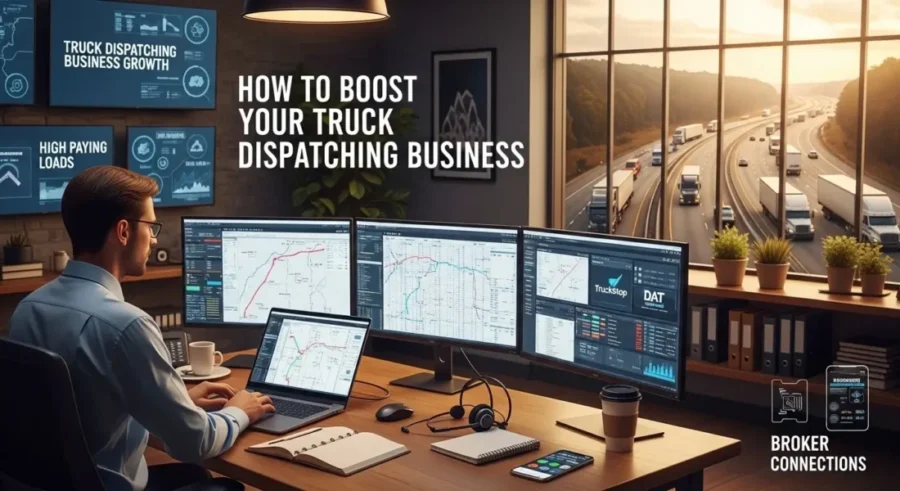
    Some of the most popular load boards include DAT Load Board, Truckstop.com, and 123Loadboard. These platforms provide several important services.

    First, they offer thousands of load listings on a daily basis.

    Second, they provide rate information, which helps dispatchers understand the market.

    Third, they give access to broker contact details.

    Fourth, they show current market trends.

    A skilled dispatcher knows how to use load board filters effectively. With these filters, they can identify truck types, check locations, understand the distance of the load, and see how much the broker is offering per mile. By using this software properly, dispatchers can analyze all these details and choose the most profitable loads.

    TMS tools

    Transportation Management Systems (TMS) help dispatchers manage and organize their operations efficiently.

    A TMS is used to track trucks, loads, and shipments in real time. It also stores important information about drivers and brokers, manages invoices and documents, and automates workflow processes. This makes daily operations smoother and more professional.

    Some popular TMS tools include Ascend TMS, Trucking Office, and Tailwind TMS. Beginners can start with these tools to manage their work effectively and gradually grow their dispatching business.

    GPS, Truck Tracking and Communication Tools

    GPS tracking tools and communication tools play a very important role in truck dispatching.

    Common GPS and truck tracking tools include Google Maps, Trucker Path, and fleet tracking systems. These tools help dispatchers monitor driver locations, avoid delays, plan routes efficiently, and provide accurate updates to brokers.

    Communication skills are also very important for a dispatcher. If a dispatcher communicates professionally, brokers are more likely to negotiate better rates and work with them

    Some commonly used communication tools in truck dispatching include WhatsApp, email, Skype, and Zoom. Dispatchers use these tools to communicate with drivers and brokers, share load details, confirm rates, and provide regular updates.

    Rate Calculation and Document Tools

    Understanding market rates, selecting profitable loads, and managing proper documentation are very important in truck dispatching.

    Dispatchers use rate tools such as DAT Rate View, Truckstop Rate Analysis, and simple calculators to evaluate rates. By analyzing this data, they can identify profitable loads and generate better offers.

    After securing a load, documentation becomes an essential part of the process. Truck dispatching involves a lot of paperwork, including rate confirmations, bills of lading, and invoices.

    To manage and store these documents safely, dispatchers use tools like Google Drive, Dropbox, and Adobe Acrobat. These tools help keep records organized, easily accessible, and secure.

    CRM Email Marketing and Lead Generation Tools

    Customer Relationship Management (CRM) systems help dispatchers manage clients, including truck owners, and build long-term relationships.

    The main benefits of using a CRM include storing client details, keeping track of communication history, managing leads, and improving customer service. For example, tools like HubSpot CRM allow dispatchers to stay organized and maintain strong relationships with their clients.

    In addition, email marketing is a powerful way for truck dispatchers to grow their business. Dispatchers can reach out to truck drivers and huge potential clients by sending professional emails.

    For lead generation, used platforms like LinkedIn, Facebook groups, and email outreach tools play a major role. Email marketing tools help dispatchers reach a larger audience, send consistent messages, build relationships, and convert leads into paying customers.

    By using these tools effectively, both beginners and experienced dispatchers can build a strong and profitable truck dispatching business.

    Conclusion

    Truck dispatching is a large and growing industry, and to succeed in it, it is essential to use the right tools. These tools help with communication, accounting, finding maximum loads, managing documentation, and identifying new clients to grow the business.

    Advanced systems such as TMS and CRM play a key role in improving efficiency and organization. A skilled dispatcher understands the market, analyzes data on a daily basis, and communicates professionally with brokers and drivers.

    When these tools and skills are used effectively, it becomes possible to build and grow a profitable truck dispatching business in this industry.

  • Hello world!

    Welcome to WordPress. This is your first post. Edit or delete it, then start writing!