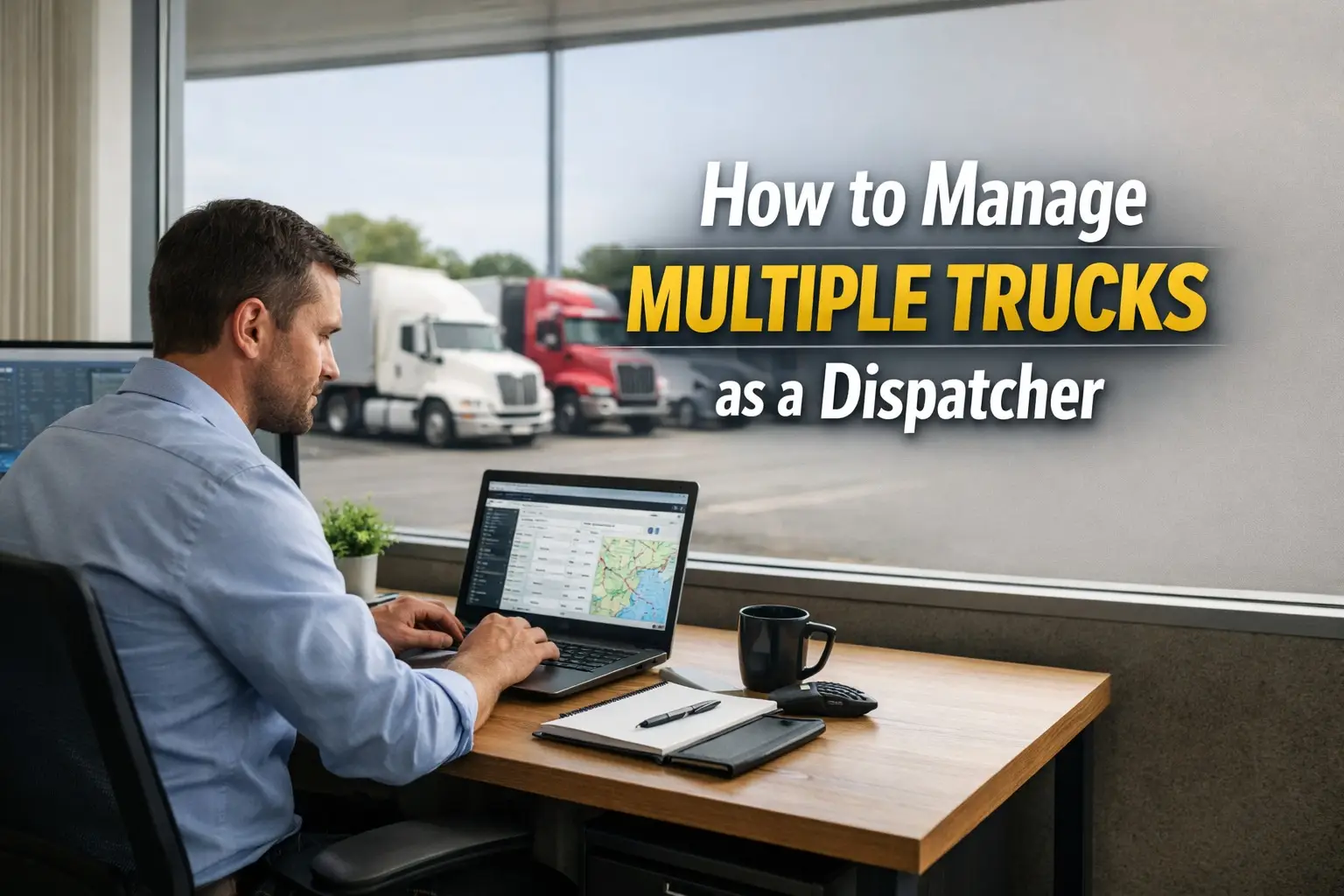
How to Manage Multiple Trucks as a Dispatcher
Whether you are managing a single truck or multiple trucks, handling them with responsibility, attention, organization, and communication is very challenging in the beginning. However, as time passes, you gain experience.
A successful dispatcher does not just book loads quickly; instead, they manage coordination systems, operations, rules, drivers, and profits in a proper way.
In this article, we will learn which strategies we should use to manage multiple trucks and how we can successfully run and grow the business.
Understand the Basics of Load and software tools
Before managing multiple trucks, you must understand load planning and the use of software tools.
Load planning includes different specifications such as truck types. There are several types of trucks like reefer, flatbed, dry van, and many others. After that, you need to understand driver availability whether drivers are available or not.
The third important point is route selection. You should prefer routes that are shorter, generate higher profit, and reduce fuel consumption.
Next, we talk about software tools that help in managing multiple trucks effectively. These include:
- Load boards for finding available freight
- GPS tracking systems to monitor real-time truck location and timing
- Communication apps to coordinate with drivers
- Spreadsheet tools and dispatch management software to organize and manage all operations properly
Using these tools and strategies properly helps you efficiently match loads with multiple trucks and run your dispatching business in a professional way.
Strong Communication System and Monitor Truck Locations
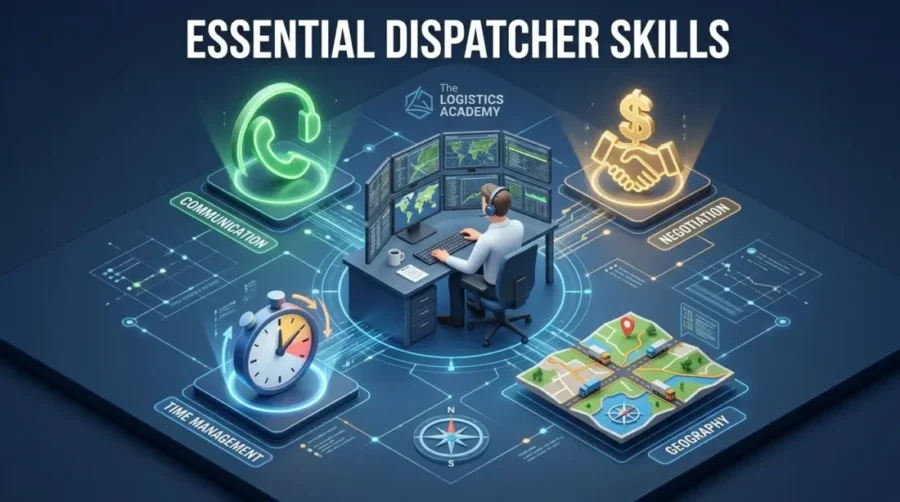
Strong communication is the backbone of a successful business. When managing multiple trucks, staying in contact with drivers is one of the most important parts of dispatching.
In practice, you should create communication groups with drivers, usually on WhatsApp, to keep everyone updated. Your check-in schedule must be clear so drivers know when to report updates. Pickup and delivery details should always be confirmed in advance to avoid any confusion.
Along with communication, monitoring is also very important. By using GPS tracking or mobile apps, you can see the live location of trucks in real time. You can also estimate arrival times and quickly identify delays or issues.
This system helps reduce confusion, improves coordination, and builds better trust between clients and brokers.
Strong Relationships with Brokers and Drivers
A successful dispatcher does not just coordinate loads; they also build strong relationships with both brokers and drivers.
Building relationships with brokers has several benefits. It helps in negotiating better rates and staying in regular communication. When you consistently deliver good performance, brokers are more likely to give you more loads in the future.
Maintaining good relationships with drivers is also very important. Drivers respond quickly, cooperate better, and provide strong support when needed. If you solve their problems quickly and ensure timely deliveries, trust is built over time.
When your relationships with both brokers and drivers are strong, everything becomes easier. Operations run smoothly, and results repeat consistently. This is a clear sign of long-term success in the dispatching business.
FAQs
1.How many trucks can a dispatcher manage?
In the beginning, you can easily manage around 3 to 5 trucks. As you gain experience, this number gradually increases.
2.Do I need software to manage multiple trucks?
In dispatching, you must use software and tools accurately to maintain efficiency. One of the biggest challenges for truck dispatchers is communication and scheduling conflicts.
3.The biggest challenge in managing multiple trucks?
Proper management of these areas is essential for smooth operations and success in the business.
Conclusion
Managing multiple trucks is not just about finding loads; it is about running a system smoothly, efficiently, and profitably.
By using proper planning, strong communication, modern tools, and time management, you can handle multiple trucks at the same time. Always start your truck dispatching journey with small steps. Keep things organized and focus on building trust with both drivers and brokers.
With time and experience, you can scale your dispatching business and turn it into a profitable large scale operation.